You’ve probably heard about the Candida fungus — doctors, dietitians, and sometimes even social media influencers talk about it. But what is it really? And why do some people constantly suffer from candidiasis, as if without a break, while others have no issues at all?
Let’s break it down so that you can understand why candidiasis occurs and how our habits can fuel its growth.
What Is Candida and Why Is It Dangerous?
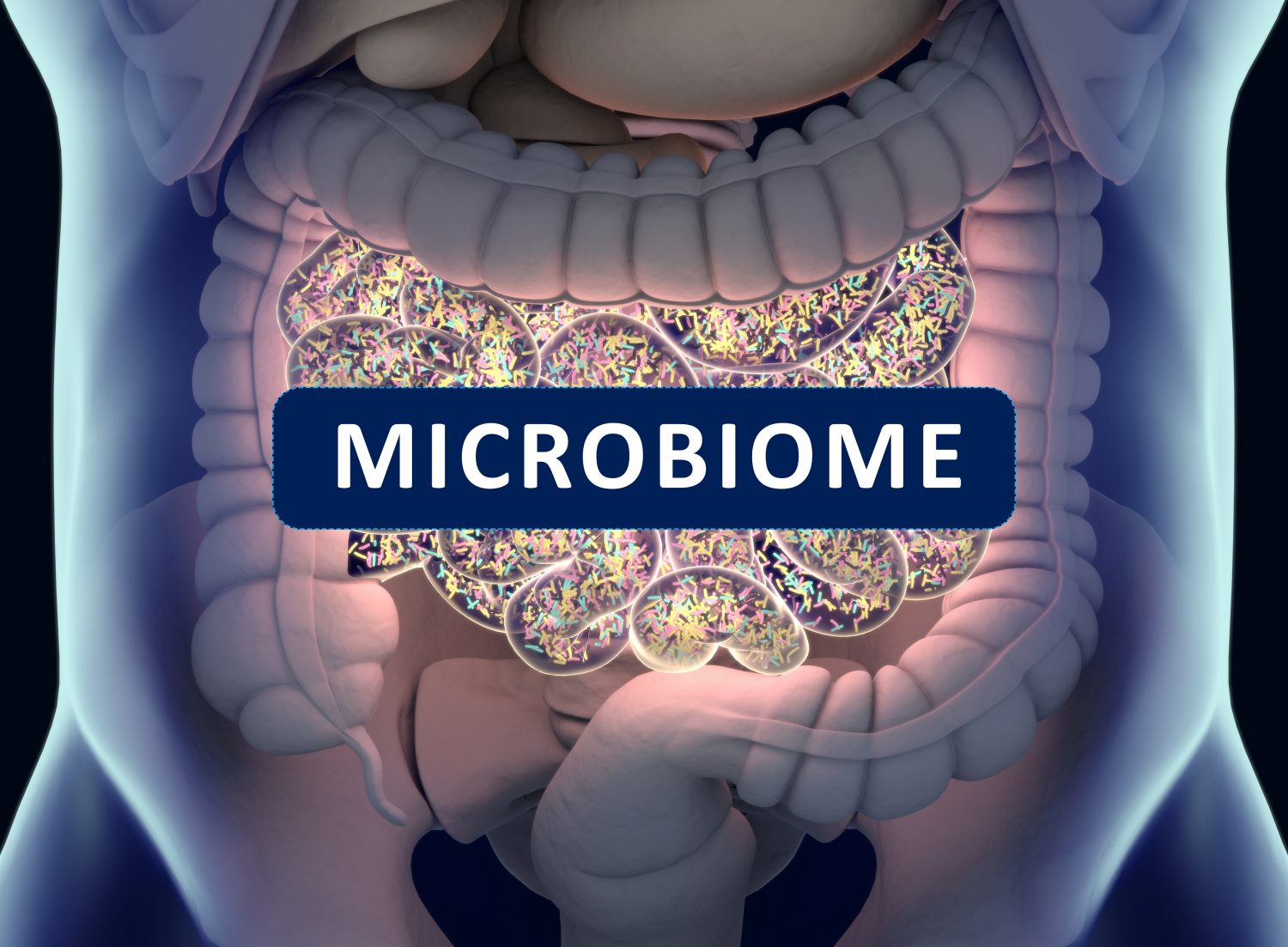
Candida is a yeast-like fungus that lives in the body of every one of us, primarily in the intestines, mouth, and vagina. Normally, it doesn’t cause harm because the balance is maintained by beneficial bacteria and a strong immune system. However, when this balance is disrupted — for example, due to poor diet or stress — Candida starts to multiply rapidly, causing candidiasis.
When the fungus grows too much, unpleasant symptoms may appear, such as:
- Bloating, gas, and digestive problems
- Frequent, hard-to-treat yeast infections in women
- White coating on the tongue or mucous membranes
- Fatigue, brain fog, and reduced concentration
- Itchy skin, rashes, or irritation
According to the CDC, candidiasis doesn’t always stay superficial. Especially in people with weakened immune systems, the fungus can penetrate deeper, affecting internal organs and causing more serious issues.
Now, let’s look at the habits in our daily lives that might “feed” this fungus and lead to candidiasis.
Habits That Can Trigger Candida Growth
To be honest, candidiasis in many cases doesn’t come from external factors, but from our own habits. Sometimes, we unknowingly create the perfect conditions for the fungus to grow. Let’s break down the most common “culprits” that really contribute to Candida’s multiplication.
- Sugar Every Day
Candida literally thrives on sugar — it’s its favorite “fuel.” If you regularly eat sweets, pastries, drink sugary sodas or juices, you’re practically inviting the fungus to grow and multiply. Even fruits, especially if consumed in large amounts, can worsen the situation since they also contain fructose — a type of sugar. This is particularly dangerous if the microbiome balance has already been disrupted. The more sugar you consume, the better Candida grows, and the faster you might feel symptoms. - Alcohol
Especially beer and wine, which not only contain alcohol but also sugars. Alcohol itself disrupts the gut microbiome by destroying beneficial bacteria. Plus, it heavily burdens the liver — the main organ responsible for detoxifying the body, including eliminating the byproducts of Candida. When the liver is weakened, toxins accumulate, creating a more favorable environment for the fungus. - Antibiotic Courses
Antibiotics indeed save us from infections, but they also destroy not only harmful but also beneficial bacteria in the intestines. This creates “vacant spots” in the gut community: after taking antibiotics, Candida can quickly occupy the freed-up space. Harvard Health Publishing notes that microbiome imbalance after antibiotic use is one of the common causes of candidiasis. Therefore, it’s important to restore the microbiome after a course of antibiotics. - Hormonal Medications
Taking hormonal drugs, such as birth control pills, hormone replacement therapy, or corticosteroids, affects blood sugar levels and alters the composition of the microbiome. This, in turn, creates an opportunity for Candida to thrive. Hormonal changes are particularly often the trigger for candidiasis in women. - Stress and Sleep Deprivation
When you’re constantly stressed and not getting enough sleep, your immune system weakens. And immunity is the main defense against excessive fungal growth. If your immune system is worn out, Candida has much more freedom to multiply and cause trouble. - Weakened Immune System
If you get sick often, have chronic illnesses, or have recently undergone surgery, your immune system might not be able to keep Candida’s growth in check. In such a state, the body becomes more vulnerable, and candidiasis develops faster and more intensely. It’s important to remember that good immunity comes not just from medications but also from lifestyle, diet, and rest. - No Probiotics in Your Diet
Probiotics and fermented foods are your best allies against Candida. They support and strengthen beneficial bacteria, which naturally control the growth of the fungus. If your diet lacks such foods as kefir, yogurt, kimchi, or sauerkraut, or if you don’t take probiotic supplements, the beneficial bacteria may weaken, and Candida can take their place.
How to Avoid These Mistakes
Understanding which habits trigger Candida growth is important, but even more crucial is knowing how to protect yourself and restore balance in your body. Here are some simple yet highly effective tips that will help you avoid Candida issues and maintain your health.
- Cut Down on Sugar, Especially Refined Sugar
Start small — pay attention to how much sugar you consume daily. Sweets, pastries, sodas, and candies all create an excellent environment for the fungus to multiply. Try to reduce refined sugar and replace it with healthier alternatives like fresh berries or nuts. Even if you love fruits, don’t overdo it — especially with grapes, bananas, and other sweet fruits. This will help balance your microbiome and reduce the risk of flare-ups. - Take Probiotics After a Course of Antibiotics
If you’ve undergone a course of antibiotics, it’s crucial to help your body restore its beneficial bacteria. Take probiotic supplements or add fermented foods to your diet, such as kefir, yogurt with live cultures, kimchi, or sauerkraut. This will help restore the microbiome balance quickly and prevent Candida from taking over the “vacant spots” in your intestines. Remember, restoring flora is not instantaneous, but regular consumption of probiotics shows great results. - Add Fermented Foods to Your Diet
Fermented foods are your gut’s best friends. They contain live beneficial bacteria that support the immune system and prevent Candida from spreading. If it’s hard to switch to a full fermented diet right away, start small — add a couple of tablespoons of sauerkraut or a few sips of kefir each day. Gradually, your body will get used to it, and the benefits will increase. - Aim for 7–8 Hours of Sleep
Good sleep is not just rest, but also the restoration and support of your immune system. When you get enough sleep, your immune system works at its best, and the Candida fungus doesn’t get the chance to grow actively. If you have a busy schedule, try to give special attention to sleep: go to bed and wake up at the same time, avoid screens for an hour before bedtime, and create a comfortable environment in your room. - Manage Stress: Walks, Breathing Exercises, and Exercise Work
Stress and chronic fatigue are serious enemies of your immune system. If you’re constantly stressed, anxious, and don’t find time to relax, your body simply won’t be able to control the fungus. To reduce stress levels, take regular walks outdoors, practice breathing exercises or yoga, and engage in sports — even just a little but consistently. This will not only support your immune system but also improve your overall well-being. - Temporarily Avoid Alcohol If You Have Candida Symptoms
Alcohol not only contains sugar but also irritates mucous membranes and weakens the liver. If you notice symptoms of candidiasis — white coating, itching, fatigue — it’s better to temporarily refrain from alcohol to give your body a chance to recover. After some time, you can return to moderate consumption, but during treatment and prevention, it’s best to avoid alcohol entirely. - Regularly Get Tested for Fungus, Especially if Symptoms Recur
Even if everything seems fine now, regular check-ups are key to early detection and control of Candida. If symptoms return or you feel constant fatigue and discomfort, don’t postpone visiting a doctor and getting tested. This will allow timely treatment adjustments and help avoid complications.
What to Do If You Suspect Candida
If you’ve noticed any of the symptoms we described — such as persistent bloating, frequent yeast infections, white coating on the tongue, or fatigue — it’s important not to delay seeing a doctor. Often, candidiasis can mimic other issues, and only a specialist can accurately identify the cause of your discomfort and prescribe the right treatment.
The First Step: Consult a Specialist
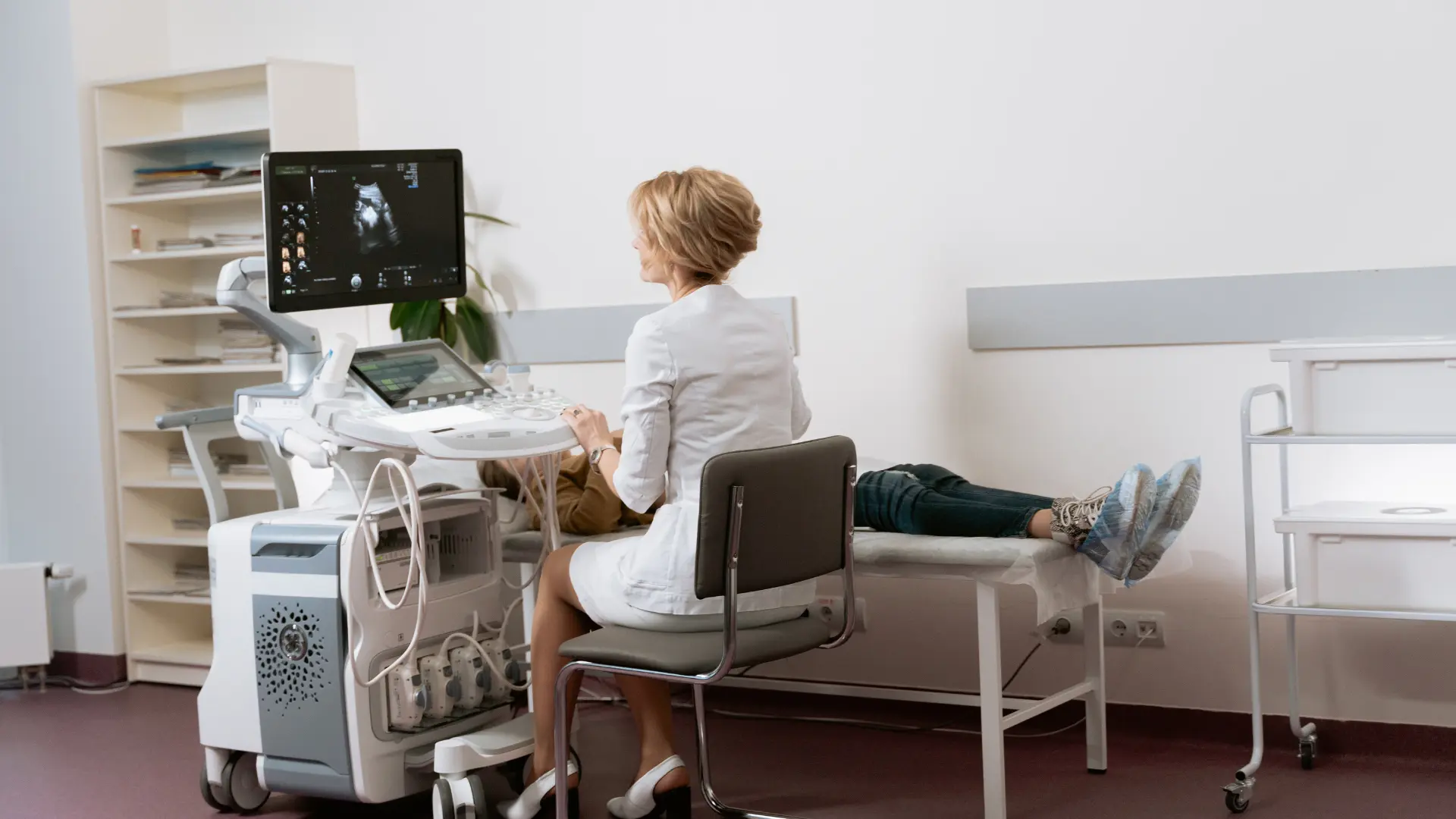
The first thing you need to do is see the right doctor. This could be an infectious disease specialist if you’re dealing with systemic manifestations, a gastroenterologist for digestive issues, or a gynecologist if the symptoms are related to vaginal flora. The doctor will perform an examination and recommend the necessary tests to confirm the diagnosis and assess the extent of the Candida overgrowth.
Common Tests That May Be Recommended Include:
- Smear Test — especially important for women when vaginal candidiasis is suspected. It helps detect the presence of the fungus on mucous membranes and identifies its sensitivity to treatment.
- Stool or Blood Test — this helps assess the level of fungal infection in your body and evaluate the overall state of your microbiome and immune system.
- Gut Flora Test — this test allows you to understand the balance of bacteria and fungi in your intestines and identify potential imbalances that contribute to Candida growth.
It’s very important to remember that self-treatment can be risky. Antifungal medications are serious drugs that can have side effects and contraindications. Choosing the wrong medication or incorrect dosage can not only fail to help but also worsen the situation. Therefore, it’s essential that a doctor prescribes medications and monitors your treatment.
Moreover, the doctor will help you adjust your lifestyle and diet, advising on which preventive measures and strategies to maintain microbiome balance should be implemented to prevent recurring flare-ups.
Candidiasis is not a rare condition, and it’s certainly not something to be ashamed of. It’s simply a signal from your body that your internal balance is off: your immune system is weakened, your microbiome is disrupted, and your diet or lifestyle is creating a favorable environment for the fungus to thrive. It’s usually our everyday habits that lead to flare-ups — not some external “enemy,” but the things we do repeatedly every day: sugar, stress, lack of sleep, and unaddressed antibiotic use.
The good news is, everything can be changed. Candidiasis is not a death sentence. If you catch the symptoms early, adjust your diet, reduce sugar and stress levels, restore your microbiome, and seek proper treatment when needed, you can restore balance and feel real improvements in your health. No more constant fatigue, bloating, yeast infections, or brain fog.
It’s crucial to listen to your body. It always sends signals — we just don’t always know how to interpret them. If you feel like something isn’t right, don’t ignore it. Take the first step: reassess your diet, analyze your habits, visit a doctor, and get tested. This is an investment in your health and quality of life.
If you’re unsure where to begin, or if you want to understand your tests better, figure out how to structure your diet, and support your microbiome, feel free to reach out. I’ll help you go through this process calmly, without panic or “Google diagnoses.” Together, we’ll find what’s holding your body back from feeling better — and we’ll make sure you feel that energy and lightness again.